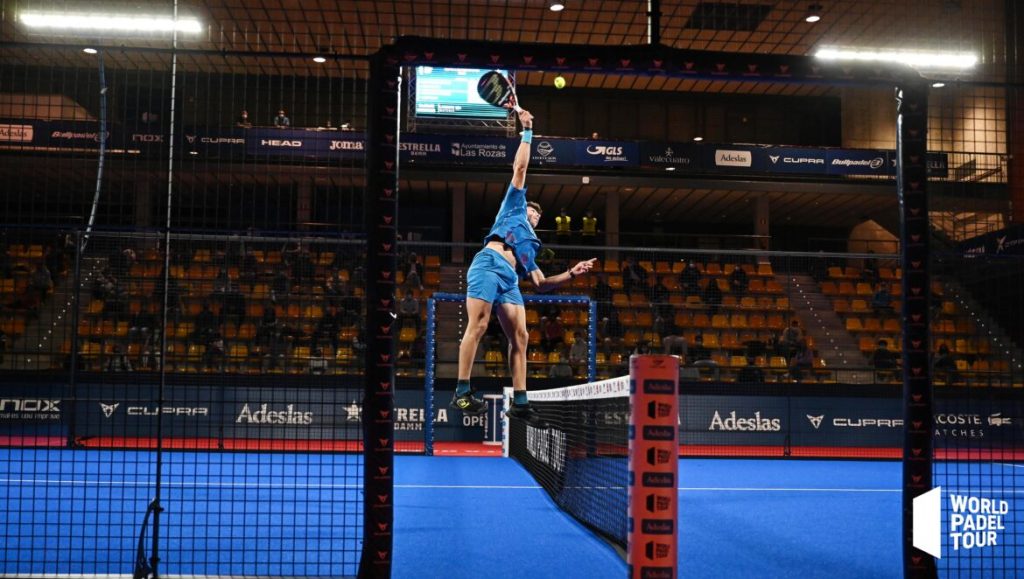
The Critical Padel Net: How Height Affects Your Gameplay
In the dynamic and rapidly growing world of padel, every element of the court plays a pivotal role in shaping the game. While the walls often grab the spotlight for their strategic bounce potential, the padel net stands as an often-underestimated, yet absolutely critical, barrier. Far from being a mere divider, the net's precise height and robust construction are fundamental to the sport's integrity, influencing everything from shot selection and strategy to the overall fairness and enjoyment of a match. Understanding the nuances of padel net regulations and specifications isn't just for professionals; it's essential knowledge for any player looking to elevate their game.
This article delves deep into the significance of the padel net, exploring the specific height regulations, the profound impact these measurements have on gameplay, and the essential characteristics that define a quality net. By the end, you'll have a comprehensive understanding of why paying attention to this central court feature can be a game-changer.
Understanding Padel Net Regulations: The Gold Standard
The International Padel Federation (FIP) sets forth stringent regulations for padel court dimensions, and the net height is no exception. These rules are not arbitrary; they are meticulously crafted to ensure a consistent, fair, and challenging playing experience across all levels of competition. For any competitive padel match, understanding and adhering to these standards is paramount.
The official FIP regulations stipulate that the padel net must be set at specific heights: 0.88 meters (approximately 34.6 inches) at the center of the court, gradually rising to 0.92 meters (approximately 36.2 inches) at the ends (near the net posts). This slight differential creates a subtle curve, which is a deliberate design choice. It maintains a consistent challenge across the entire net width, preventing players from exploiting a flatter net for easier clearances at the sides.
Why such precise measurements? Consistency. Imagine playing on a court where the net height varied significantly from one match to the next. Your muscle memory, shot trajectory, and strategic planning would be constantly undermined. The uniform net height ensures that a player's skill in executing lobs, volleys, and smashes is tested against a consistent standard, allowing for true comparisons of ability. For professional tournaments, strict adherence to these measurements is mandatory, with officials often performing checks before matches to guarantee compliance.
While recreational play might offer a bit more flexibility, especially in informal settings where precise measuring tools aren't readily available, it is always advisable to aim for the official FIP heights. Playing with a properly regulated net height will provide a more authentic padel experience, help you develop skills suitable for competitive play, and avoid potential disputes with fellow players. Think of it as training on a consistent canvas; it builds a more reliable stroke repertoire.
To ensure your net is correctly set, you can use a simple measuring tape. For the center, it's best to measure directly under the net's steel tension cable. At the ends, measure directly where the net connects to the posts. A well-tensioned net will naturally hold its shape and height effectively. For a deeper dive into the specific regulations and how they impact play, check out our guide on Padel Net Height Regulations: FIP Standards & Optimal Play.
Beyond the Numbers: How Padel Net Height Transforms Your Game
The seemingly small difference between 0.88m and 0.92m, or even a few centimeters off the official mark, can have a profound and often unnoticed impact on every aspect of your padel game. The height of the padel net directly influences shot selection, strategic planning, and even the psychological flow of a match.
The Impact on Offensive Play
A properly set net, particularly its specific central dip, inherently encourages certain offensive strategies. Shots like the bandeja and vibora, which are signature padel strokes, rely on players hitting down on the ball after it has crossed the net. The regulated height demands a specific trajectory and power to clear the net while still allowing for a controlled descent into the opponent's court, often designed to hit the back wall low. If the net is too high, players might struggle to get these shots over, forcing them to hit harder or higher, potentially sacrificing control. Conversely, a net that is too low might make these shots easier to clear, but the challenge of hitting an effective deep shot that pressures opponents into the back corner diminishes.
The lob, another cornerstone of padel strategy, is also heavily influenced by net height. A correctly set net provides a consistent aerial barrier that players must clear. If the net is too low, lobs might become less effective as they clear the net too easily and land shallower, giving opponents more time and better angles to return aggressively. A net that's too high can make successful lobs more challenging, demanding greater precision and power to avoid hitting the net or sending the ball out of bounds.
Strategic Adaptations for Defensive Play
On the defensive side, net height dictates the margin for error for every shot. Players aiming for flat, penetrating groundstrokes or low volleys need to judge their angles and power meticulously to ensure the ball clears the net without sailing out of bounds. A net that is even slightly lower than regulation can lead to players adopting a more aggressive, flatter hitting style, taking greater risks with speed over control. Conversely, a higher net forces players to be more cautious, encouraging higher trajectories and potentially more defensive lobs to reset the point.
The ball's behavior after clearing the net is also critical. A properly tensioned net, at the correct height, allows for a predictable trajectory and bounce. This predictability is vital for players to develop effective shot anticipation and court positioning. Any deviation from the standard can make the ball behave unexpectedly, leading to misjudged returns, frustration, and ultimately, a less enjoyable and fair game. Understanding how the net influences these dynamics allows players to adjust their tactics, whether by opting for more aggressive smashes when the net seems forgiving, or by employing more precise, defensive lobs when the net presents a stiffer challenge.
The Anatomy of a Quality Padel Net: More Than Just Height
While net height dictates the rules of engagement, the physical construction of the padel net itself is crucial for maintaining those regulations and ensuring durability and safety. A high-quality net is an investment in consistent performance and longevity on the court.
Materials and Construction Excellence
Professional padel nets are engineered for resilience. They are typically fabricated from high-tenacity polypropylene, a material renowned for its strength, resistance to abrasion, and exceptional durability. This robust fabric is often UV stabilized to withstand prolonged exposure to sunlight without degrading, fading, or losing structural integrity – a critical feature for outdoor courts. Furthermore, many high-quality nets are heat-fixed in an autoclave, a process that further enhances material stability and prevents stretching or warping over time.
The mesh size is also standardized, commonly featuring 45x45 mm square mesh. This specific mesh size is designed to prevent the ball from passing through while being visually unobtrusive, allowing for clear visibility of opponents. The individual strands of the netting are typically robust, with a diameter around 5 mm, providing excellent strength without being excessively heavy.
Essential Finishing Details
The finishing of a professional padel net speaks volumes about its quality. The top edge is usually bound with a wide, high-tenacity white PVC tape, typically 6 cm high. This white band provides a clear visual line for players, indicating the top of the net, and also houses the critical tensioning cable. The vertical sides and the bottom of the net are often finished with black high-tenacity PVC tape, reinforced with sturdy eyelets. These eyelets are vital for securing the net firmly to the posts and ground, ensuring it remains taut and at the correct height.
The Tensioning System: The Silent Architect of Height
A net's ability to maintain its regulated height is heavily dependent on its tensioning system. Quality padel nets come complete with a durable 5 mm diameter steel cable for tensioning in the upper part. This cable runs through the top PVC headband and is anchored securely to the net posts, allowing for precise adjustment of the net's tautness. A binding rope in the lower part further helps to secure the net, preventing it from flapping or sagging, especially in windy conditions. This robust tensioning system is what allows the net to withstand the impact of balls and occasional player contact while maintaining its structural integrity and, most importantly, its FIP-regulated height. Understanding these intricate details about the net's build helps in appreciating its role and selecting the right equipment. For a detailed breakdown of the components, explore our article on Professional Padel Net Specs: Size, Materials & Construction.
Common Padel Net Myths Debunked
- Myth 1: You can adjust the net height during play. In professional and even many competitive amateur settings, changing the net height during a match is strictly forbidden. It would disrupt the fairness and consistency of the game, potentially altering strategies mid-point.
- Myth 2: Recreational players don't need to care about net height. While flexibility is often present in casual games, consistently playing on a net that is significantly off-regulation can hinder skill development and create unrealistic expectations for competitive play. Aiming for official heights enhances the learning experience.
- Myth 3: All nets are created equal. As discussed, the materials, construction, and tensioning systems vary greatly. A cheap, poorly constructed net will sag, degrade quickly, and fail to hold the correct height, negatively impacting gameplay and requiring frequent replacement.
Practical Tips for Optimal Padel Net Setup & Maintenance
- Pre-Match Check: Before every match, take a moment to visually inspect the net. Does it look taut? Is there noticeable sagging in the middle? If possible, quickly measure the height at the center and ends.
- Proper Tensioning: Ensure the top steel cable is adequately tensioned. It should be firm, but not over-tightened to the point of stressing the posts or the net fabric. The bottom binding rope should also be secured to prevent flapping.
- Regular Maintenance: Keep the net clean of debris, leaves, and dirt. Periodically check the net fabric, tapes, and tensioning cables for any signs of wear, tears, or fraying. Addressing minor damage early can prevent larger issues.
- Invest in Quality: For clubs or frequent players, investing in a FIP-compliant, high-quality padel net made from durable materials like UV-stabilized polypropylene will pay dividends in consistent performance and longevity.
Conclusion
The padel net, with its seemingly simple structure, is in fact a highly engineered and regulated component of the padel court. Its precise height and robust construction are not just technical details but fundamental elements that profoundly influence gameplay, strategy, and the very fairness of the sport. From the nuanced demands it places on offensive lobs and smashes to the strategic considerations it imposes on defensive play, the net is a constant, silent partner in every rally.
By understanding the FIP regulations, appreciating the quality of materials and construction, and debunking common myths, players can gain a deeper respect for this critical court feature. Adhering to proper net height and ensuring its optimal condition will not only enhance your personal playing experience but also contribute to the integrity and enjoyment of padel for everyone. So, next time you step onto the court, take a moment to acknowledge the central role of the padel net – the silent guardian of fair play.